10 Aug, 2026
CULTIVATING A LOVE FOR CONSERVATION BY GETTING TO KNOWN ENDEMIC WILDLIFE
COMMUNITY DEVELOPMENT
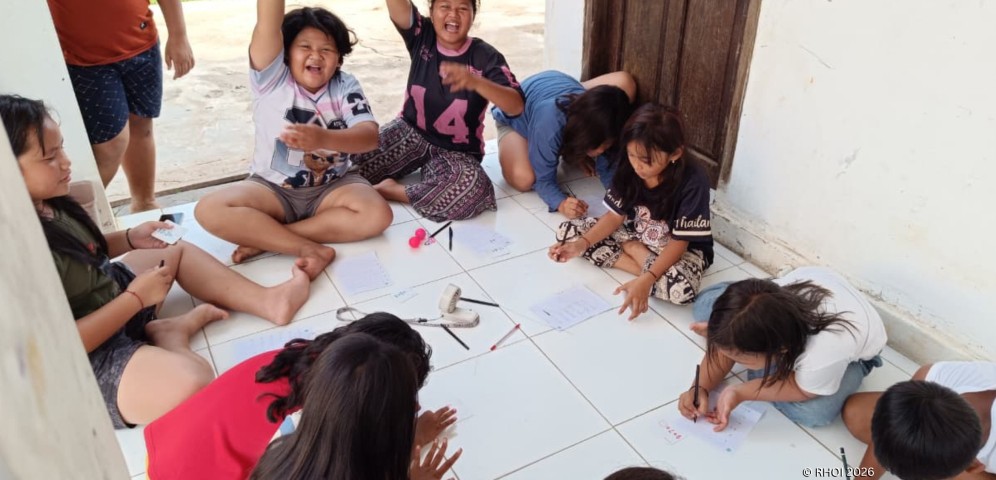
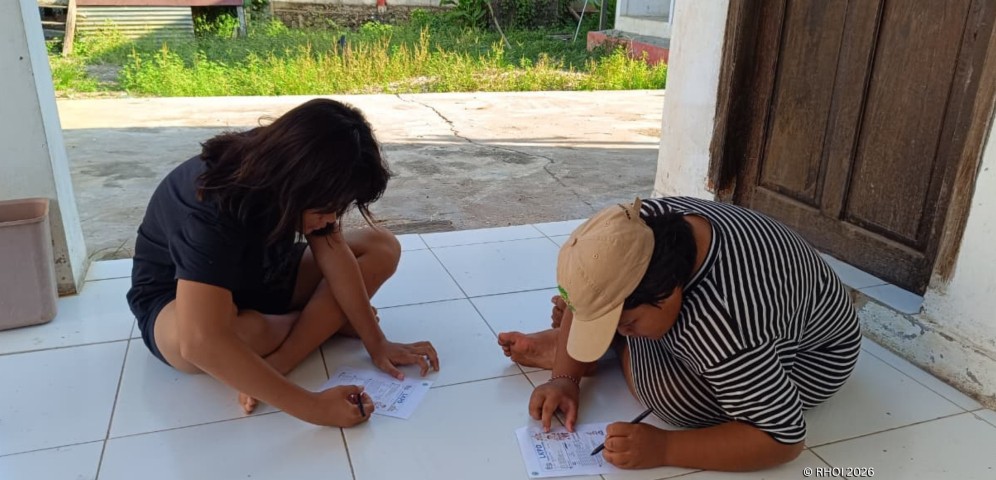
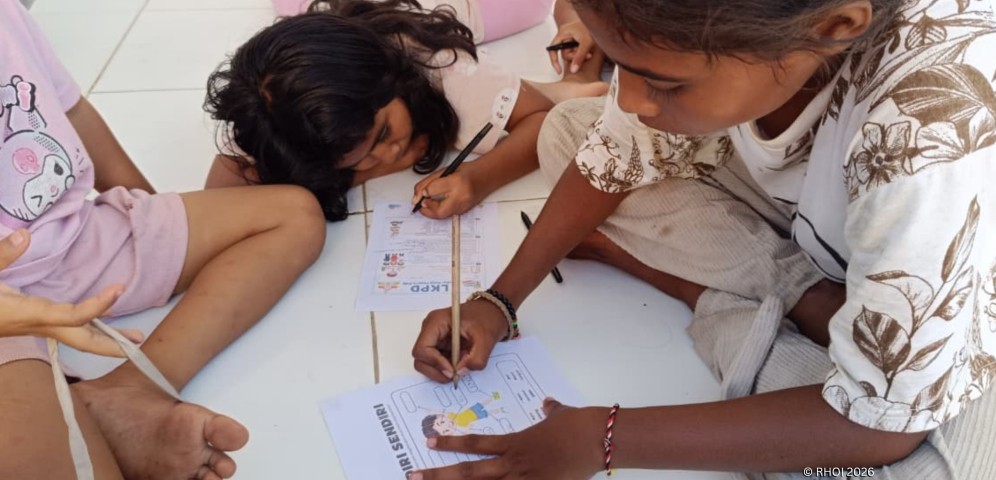
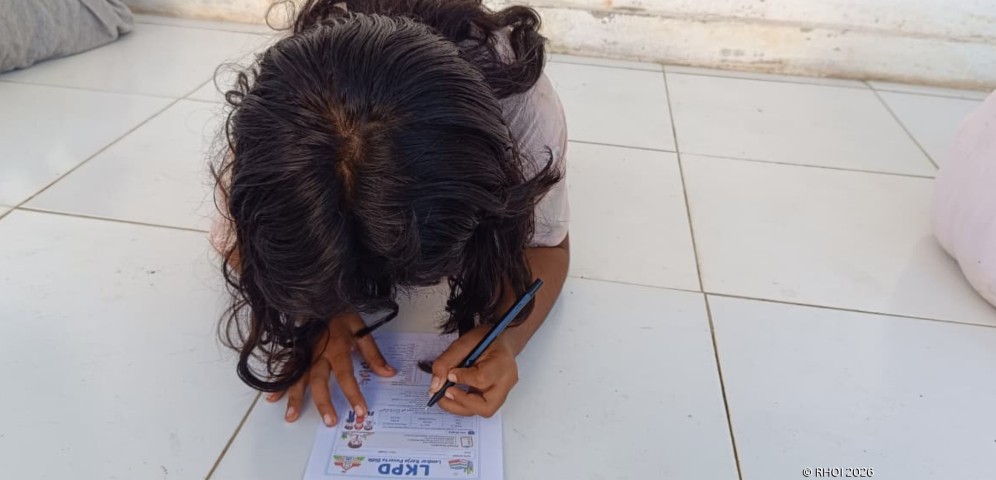
The atmosphere at the Learning House that afternoon felt warm, even though it was not particularly crowded. Only a few children came and sat in a circle on the wooden floor. In the center of their circle lay a stack of colorful foam boards depicting animals, ready to spark curiosity. There were not many participants, but the enthusiasm radiating from their eyes was in no way diminished. This intimate atmosphere provided space for every child to share stories, ask questions, and show the animal pictures they held with immense pride.
That day, we invited them to get acquainted with our nation’s biodiversity: Indonesia’s endemic wildlife. One by one, the pictures were revealed and introduced. Smiles and curious faces lit up clearly every time a picture was raised. Innocent yet profound questions began to flow: "Where does this animal live, Kak?", "Why does it have such a unique name?", and even naive questions like, "Can an anoa fly?".
Some children memorized the animals' names instantly upon hearing them once, while others slowly spelled out the Latin and local names while smiling proudly. This simple activity served as a precious reminder that fostering care for the environment and conservation does not always have to begin with large, complex movements. Love for nature takes root from the seeds of curiosity that grow when we begin to know the original inhabitants of Indonesia’s forests.
Types of Endemic Wildlife in Indonesia to Know
Indonesia is known as one of the largest megadiverse countries in the world. Its landscape, consisting of thousands of islands ranging from large landmasses to chains of small islets, creates natural geographic isolation that gives birth to peerless biodiversity. Many inhabitants of our forests and waters hold endemic status, meaning these animals can only be found living naturally in specific regions of Indonesia and cannot be found anywhere else on Earth.
Through the picture boards at the Learning House, the children were invited to explore the archipelago's richness and get to know several of Indonesia’s endemic species that are essential for us to recognize, such as:
- Orangutan (Borneo and Sumatra): Great apes that serve as key species for the health of tropical rainforest ecosystems. As reliable seed dispersers, the presence of orangutans ensures the continued regeneration of forest trees. Protecting orangutan habitats means helping to protect thousands of other flora and fauna species living under the same forest canopy.
- Mahakam Dolphin (Pesut Mahakam): A unique freshwater mammal inhabiting the Mahakam River in East Kalimantan. Its increasingly rare existence serves as an important indicator of the health of river aquatic ecosystems and the environmental balance of the surrounding area.
- Sumatran Tiger: An apex predator that acts as a guardian of the food chain balance in Sumatran rainforests. Without tigers, prey populations could expand uncontrollably and damage the structure of natural forest vegetation.
- Anoa: A distinct mammal from Sulawesi often referred to as a dwarf buffalo. Inhabiting deep tropical rainforests, the anoa stands as proof of the unique evolutionary history of fauna in the imaginary Wallacea region.
- Maleo Bird: A unique bird endemic to Sulawesi, famous for its habit of burying large eggs in soil or sand warmed by geothermal heat or solar radiation, rather than incubating them conventionally.
Every endemic species mentioned plays a crucial role in maintaining the web of life in its native habitat. When one becomes threatened with extinction, the links of the ecosystem chain weaken, ultimately bringing negative impacts on human environmental quality.
Why Is Knowing About Endemic Wildlife Important for the Younger Generation?
Environmental education and becoming familiar with endemic wildlife are not merely memorization materials for biology class. For the younger generation, knowing their existence is the most fundamental step in awakening conservation awareness. There is an old proverb that says, "To know them is to love them; to love them is to protect them." This proverb is highly relevant to environmental preservation efforts.
Here are several key reasons why recognizing endemic wildlife from an early age is crucial for the nation's next generation:
- Building Pride and a Sense of Belonging: Knowing that Indonesia possesses unique wildlife found in no other country fosters a sense of pride within children. This pride naturally develops into an internal drive to protect these treasures from disappearing from the Earth.
- Fostering Ecological Awareness Early On: When children learn that endemic animals like orangutans or Mahakam dolphins require safe homes, they begin to understand the concept of habitat. From here, they learn that clearing forests illegally or polluting rivers destroys homes for other living beings.
- Nurturing Empathy and Compassion for Living Beings: Interactive activities like the one at the Learning House help children see animals not merely as pictures on paper, but as living creatures that have the right to live freely and sustainably in the wild.
- Creating Future Change Agents: Children who grow up with a strong ecological understanding will become wiser decision-makers in the future, whether as leaders, academics, industry practitioners, or community members who always consider environmental sustainability.
Seeing the children at the Learning House help one another remember animal names, laugh together, and spell out words enthusiastically brings fresh hope to the conservation world. The number of attending children might not be large, but the seeds of care planted in their hearts hold great potential to grow into shelter trees for Indonesia's nature in the future.
Protecting the Home of Indonesia's Proud Endemic Wildlife
The simple experience at the Learning House reaffirms one important thing: conservation education activities do not always require a large stage or a massive audience. What matters most is the depth of curiosity and the emotional sincerity that is successfully built. From a stack of foam picture boards and brief stories about the original inhabitants of Indonesia’s forests, a fundamental understanding has been created.
Ensuring endemic wildlife remains sustained until these children grow up is not a task that can be accomplished overnight. It requires a long-term commitment to securing and restoring the forest areas that serve as their natural habitats. Through ecosystem restoration and sustainable area protection, we ensure that stories of orangutans, Mahakam dolphins, and anoas do not become mere sweet memories in storybooks or foam pictures.
- Share
-

-