14 Sep, 2026
ADJUSTING STEPS AMID NATURE'S CHALLENGES
CONSERVATION SUPPORT
Safeguarding a conservation area is not done merely through monitoring behind a desk. For PT Restorasi Habitat Orangutan Indonesia (RHOI), most of the work takes place directly in the field, traversing vast forest areas under terrain and weather conditions that can change at a moment's notice.
Routine patrols are one way the team ensures the area's conditions remain monitored. However, journeys within the forest do not always go according to plan. Road conditions, rain, landslides, and fluctuating river water levels can affect the routes that must be taken and the decisions the team needs to make on the ground.
One such experience occurred when the team conducted an inspection in the upper SKA River area in mid-July 2026.
When Land Routes Are No Longer Passable
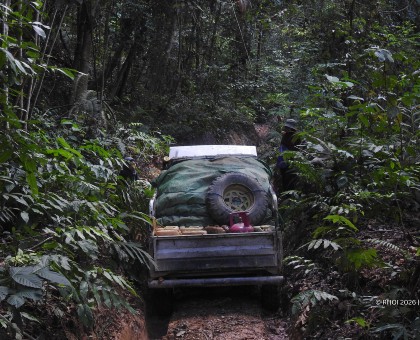
The journey began around 8:00 AM using motorcycles. The route to the upper SKA River features a winding and steep terrain, forcing the team to shuttle vehicles one by one to negotiate several difficult sections.
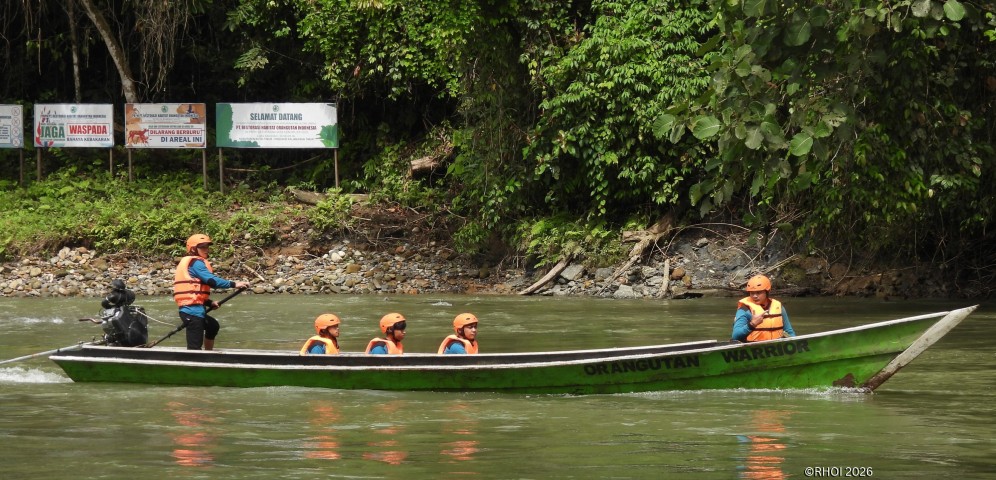
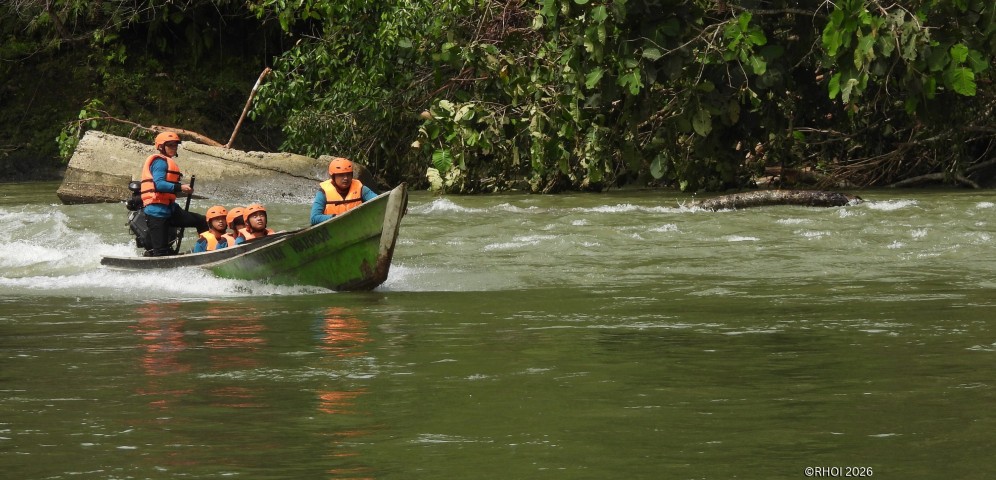
The journey then faced another challenge when part of the land route was severed by a landslide. This condition prevented the team from continuing along their usual path. To reach the remaining areas requiring monitoring, the team had to trek along and cross the SKA River.
Crossing a river deep within a forest naturally demands caution. Slippery rocks, uneven water depths, and a swift current meant that every step had to be carefully calculated.
During the crossing, a team member lost his footing due to the strong current and was nearly swept away. Thanks to the quick response of other team members, he was safely rescued, and the journey resumed with even greater vigilance.
This experience demonstrates that terrain conditions are a critical factor that must always be accounted for during every patrol.
Reading Nature's Signals Before Stepping Further
Forest patrols require the ability to adjust plans based on conditions encountered in the field. While monitoring objectives remain essential, team safety is the paramount consideration in determining whether a journey should proceed or be halted.
As the team conducted monitoring along the SKA River, weather conditions shifted and rainfall increased. Rain in the upper reaches can alter river levels and affect paths that were previously navigable.
The team then weighed the risks of continuing further upstream. The path already traveled could easily flood or become submerged by rising water levels, potentially complicating the return trip. Considering these conditions, the team decided to turn back toward the starting point.
The decision to turn back does not mean the patrol was unsuccessful. On the contrary, the ability to recognize changing conditions and make sound decisions is a vital part of field operations.
Safety and Adaptation as Core Elements of Patrol Work
Monitoring conservation areas is not always about how deep a team can penetrate the forest. Equally important is the ability to achieve monitoring goals while prioritizing the safety of every team member.
Natural conditions can change rapidly. A path navigable in the morning may not offer the same conditions a few hours later, particularly when rain falls in the upper reaches.
Because of this, the RHOI team must continuously adjust routes, monitor terrain conditions, and evaluate risks throughout the journey. In certain situations, deciding to alter plans or return to the starting point is part of a strategy to ensure monitoring activities can be conducted safely and sustainably.
Protecting conservation areas indeed requires a direct presence in the field. However, protecting those who work within them is just as vital.
The experience at the SKA River serves as a reminder that conservation is not only about safeguarding the forest and the wildlife within it. Behind every monitoring activity, there is a team that must understand the terrain, read nature's changes, work together, and make the right decisions so that the mission can continue safely.
Text by: REPPHK Team, PT RHOI, East Kalimantan.
- Share
-

-