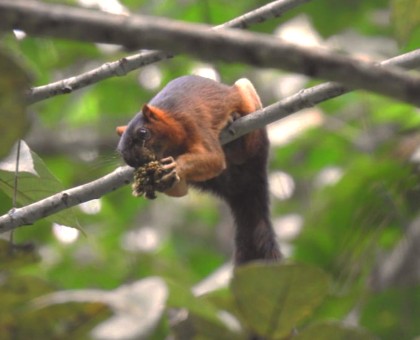
07 Oct, 2024
DIPTEROCARP FORESTS: THE FORTRESS OF BIODIVERSITY LIFE
BIODIVERSITY
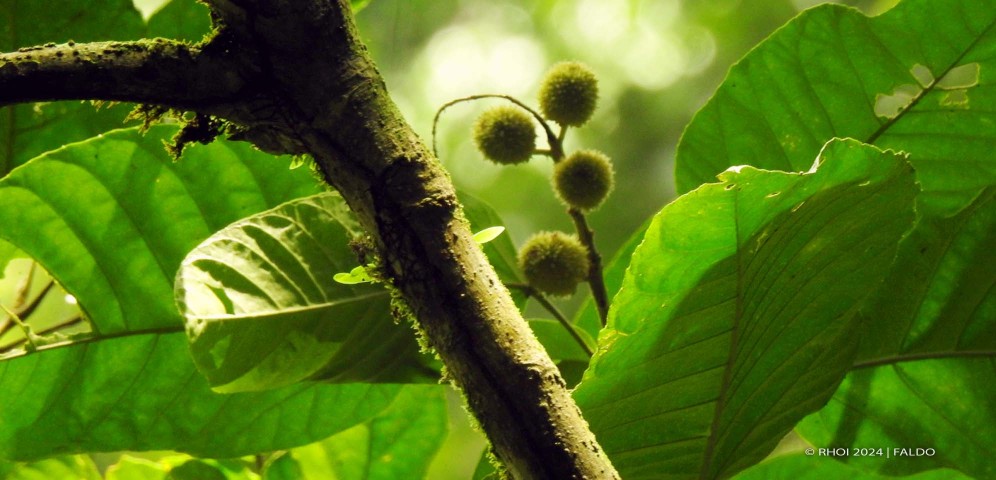
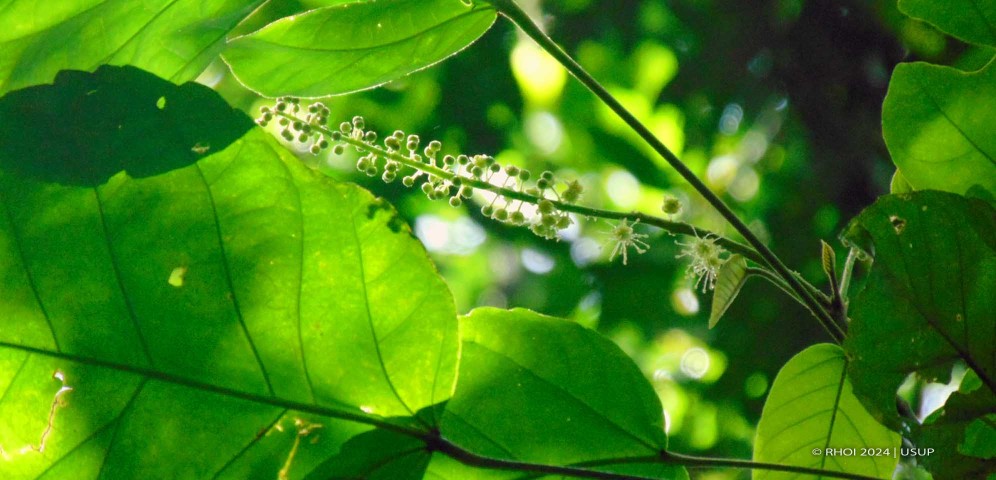
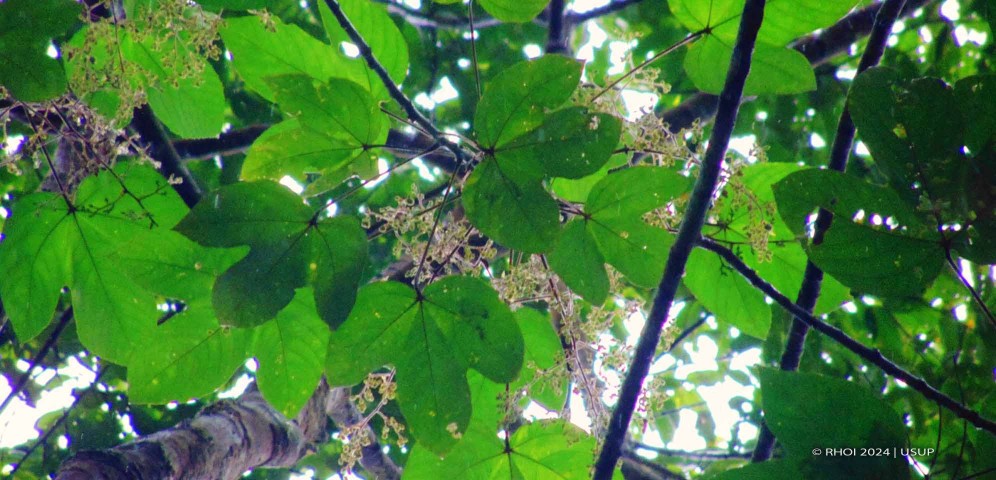
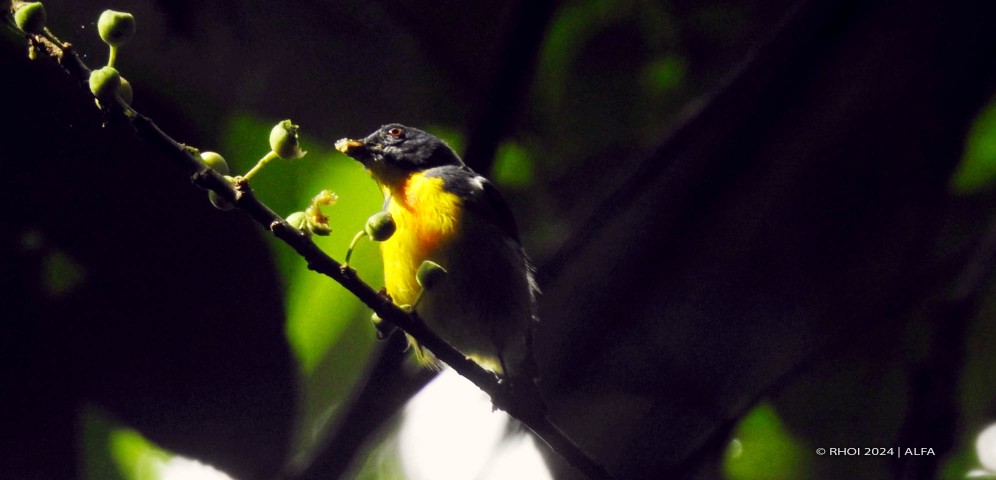
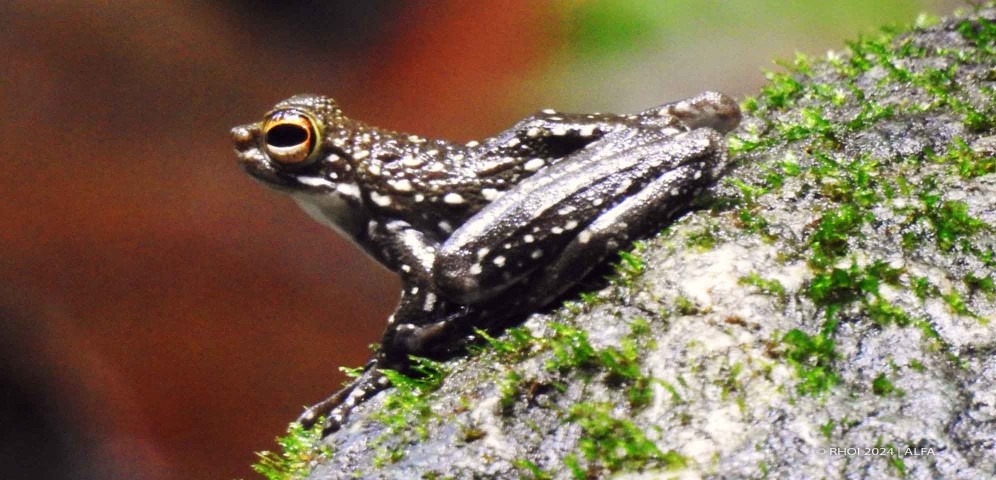
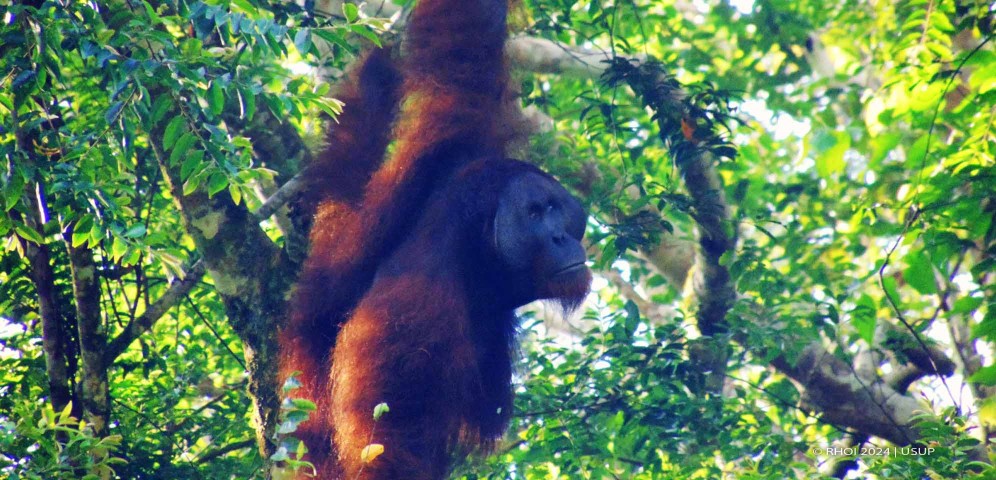
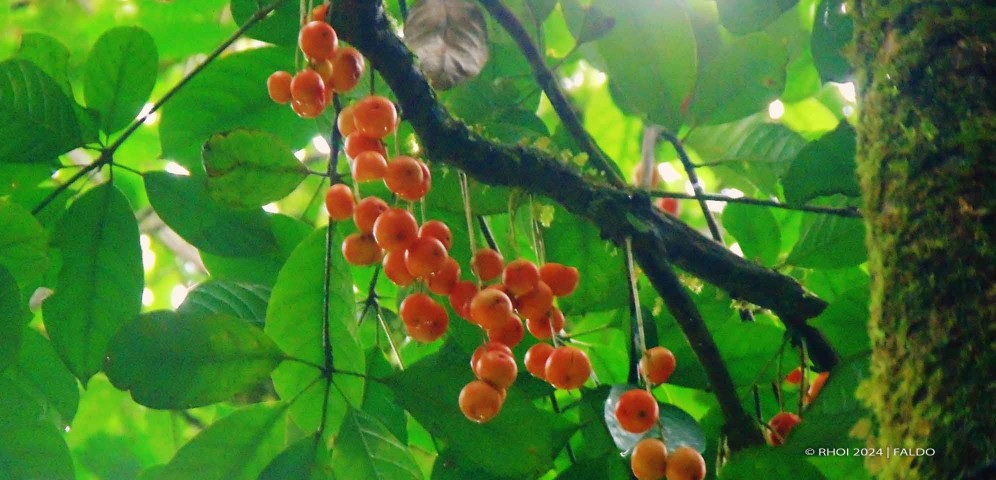
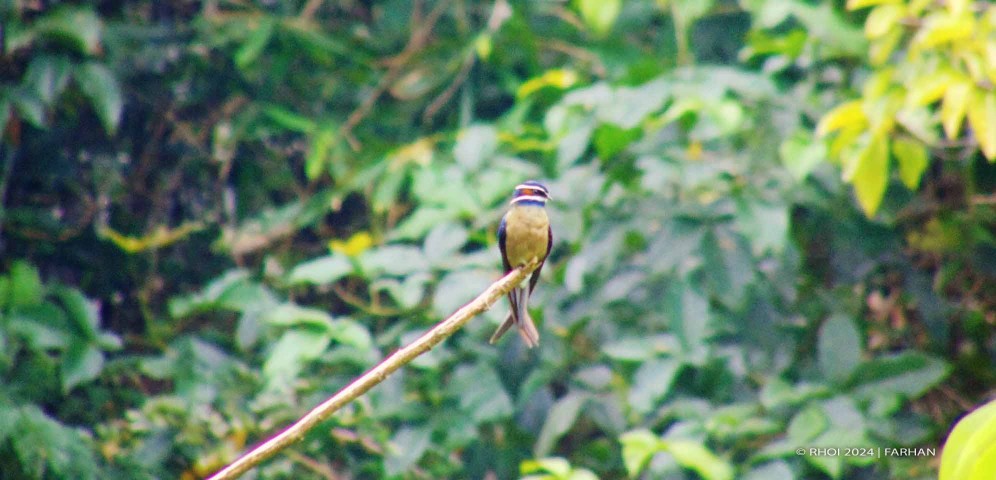
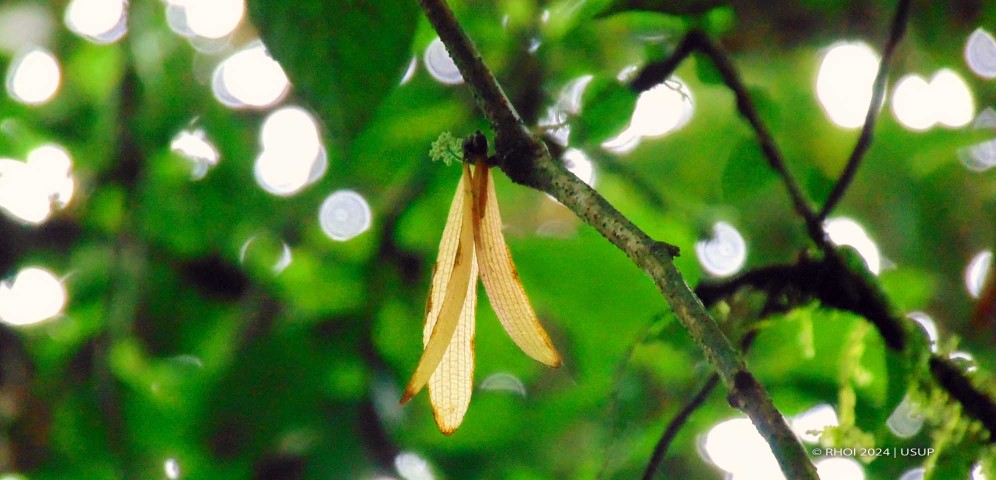
Dipterocarp forests are among the richest tropical ecosystems in terms of biodiversity. These forests are characterized by their towering trees, which form dense, multi-layered canopies. The thick vegetation found within Dipterocarp forests makes them a vital habitat, supporting a vast array of wildlife species. These forest offer essential shelter, food, and living grounds for various species, playing a vital role for sustaining both plant and animal biodiversity.
Vegetation Density and Biodiversity in Dipterocarp Forests
These forests take their name from the Dipterocarpaceae family, which dominates the canopy with towering trees like Shorea, Dipterocarpus, Anisoptera, and Hopea. These species can grow to heights of up to 70 meters, featuring straight trunks and large diameters. Known for their high quality timber, these trees are valued for their hardness and durability, making them a significant resource in the timber industry (Meijaard, 2006).
Read also: CONSERVATION OF BORNEAN IRONWOODS
The large size and ecological significance of these trees play a vital role in shaping the biodiversity and structural complexity of Dipterocarp forests. In addition to Dipterocarp trees, these forests are home to a dense undergrowth of Polypodiophyta, Etlingera, and various flowering plants, enriching the forest floor's biodiversity. This dense vegetation creates an ideal environment for numerous fauna species. The canopy, in turn, plays a crucial role in maintaining moisture and regulating temperatures within the forest, both of which are vital for the survival and life cycles of the flora and fauna that thrive in these ecosystems.
Read also: FLOWERS, FRUITS, AND MORE IN THE KEHJE SEWEN FOREST
Dipterocarp forests are also vital habitats for various endemic species in Indonesia, such as orangutans, Sumatran tigers, and Sumatran elephants . Endemic bird species, such as hornbills and eagles, also thrive in these habitats. Additionally, reptiles, amphibians, and countless insects inhabit these forests, making them true biodiversity hotspots.
Distribution and Conservation of Dipterocarp Forests
In Indonesia, Dipterocarp forests are primarily found in Sumatra, Kalimantan, and parts of Sulawesi, with Kalimantan having the largest coverage. These ecosystems are essential for biodiversity, serving as critical hubs for scientific research and conservation efforts. Studies show that Dipterocarp forests play key roles in carbon absorption, soil conservation, and maintaining the hydrological cycle.
Read also: A WEED, A SNACK, A WILDFLOWER, OR A REMEDY?
Dipterocarp forests account for over 50% of total tree species in certain regions of Southeast Asia and support various ecosystems that depend on their complex structure and biodiversity. Whitmore (1984) also confirms that Dipterocarp forests rank among the most biologically productive ecosystems in the world, contributing significantly to both local and global climate stability.
Read also: PRETTY POISON: THE RED RUSSULA'S DECEPTIVE CHARM!
Unfortunately, these forests continue to face threats from illegal logging and land conversion for monoculture plantations . According to data collected by Global Forest Watch from 2001 to 2023, Indonesia is projected to experience a loss of 30.8 million hectares of tree cover. This represents a 19% decrease in tree cover since the year 2000, amounting to 22.2 Gt of CO₂e emissions. The provinces most affected by deforestation are Riau, West Kalimantan, and East Kalimantan. Efforts to protect these forests must be supported by strict conservation policies and monitoring of illegal logging activities, which still occur frequently.
The Fortress of Biodiversity Life
Dipterocarp forests are a treasure trove of biodiversity, offering immense ecological, economic, and scientific value. Rich in both flora and fauna, these forests are vital not only for local ecosystems but also for maintaining global ecological balance. The importance of protecting these forests cannot be overlooked, given their vital role in preserving biodiversity and mitigating climate change. Strengthening conservation efforts and securing the support of various stakeholders are essential to ensuring the survival of these vital ecosystems for future generations.
References:
- Apannah, S. (1998). A Review of Dipterocarps: Taxonomy, Ecology, and Silviculture. CIFOR. Bogor-Indonesia.
- Brearley, F. Q., Banin, L. F., & Saner, P. (2016). The ecology of the Asian dipterocarps. Plant Ecology & Diversity, 9(5-6), 429-436.
- Fajri, M. (2008). Pengenalan Umum Dipterocarpaceae, Kelompok Jenis Bernilai Ekonomi Tinggi. Info Teknis Dipterokarpa Vol.2 No.1, Juli 2008: 9 – 21.
- Meijaard, E., Sheil, D., Nasi, R., Augeri, D., Rosenbaum, B., Iskandar, D., ... & O’Brien, T. (2006). Hutan pasca pemanenan: Melindungi Satwa Liar dalam Kegiatan Hutan Produksi di Kalimantan. CIFOR.
- Soepadmo, E., & Wong, K. M. (Eds.). (1995). Tree flora of Sabah and Sarawak: volume one.
- Whitmore, T. C. (1984). Tropical Rain Forests of the Far East. 2nd Edition. Clarendon Press, Oxford.
- Global Forest Watch. 2023. Indonesia Primary Forest Loss. Accessed on October 6, 2024.
Text by: Communication Team, BOS Foundation Headquarters, Bogor, West Java
- Share
-

-