18 Aug, 2026
PRESERVING ORANGUTAN HABITAT BY STRENGTHENING THE IDENTITY AND CUSTOMARY RIGHTS OF LOCAL COMMUNITIES
COMMUNITY DEVELOPMENT
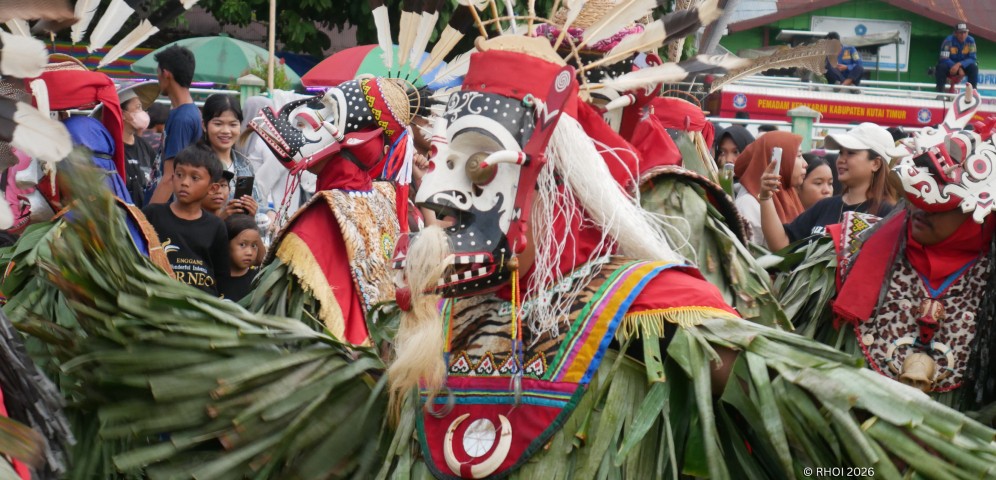
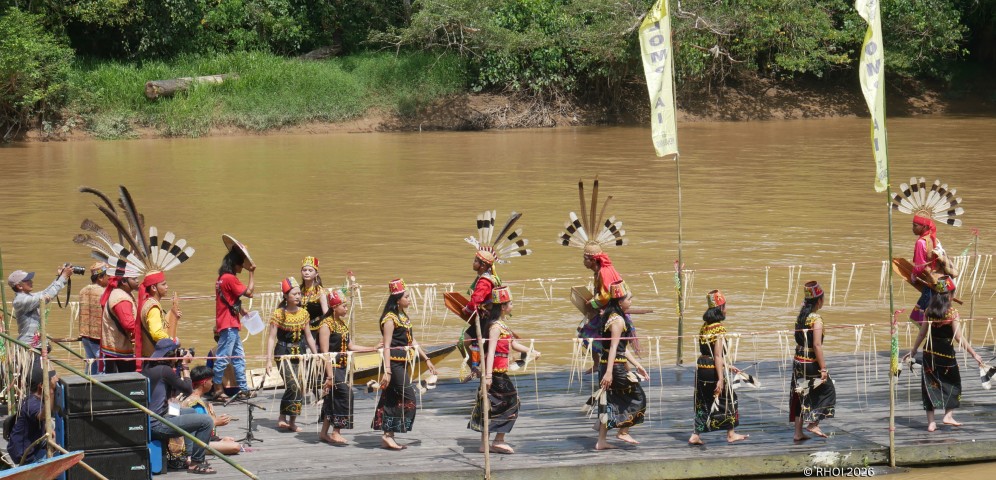
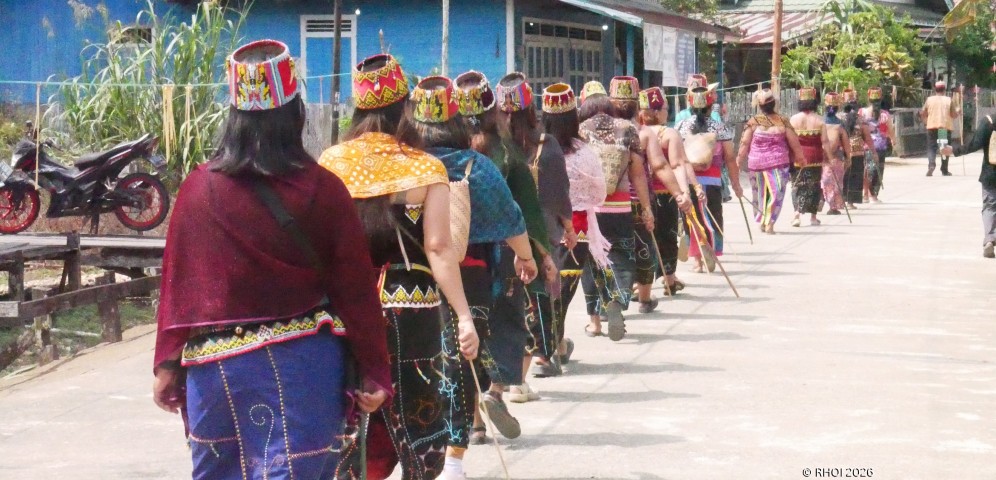
In the heart of East Kalimantan lies a sprawling green landscape that serves as a final stronghold for the Archipelago's biodiversity, such as the Kehje Sewen Forest. Managed by PT Restorasi Habitat Orangutan Indonesia (RHOI), this ecosystem restoration area is a safe home for various rare flora and fauna, particularly the Bornean orangutan. However, preserving orangutan habitats amidst the threats of deforestation and climate change is not a task that a single entity can bear alone.
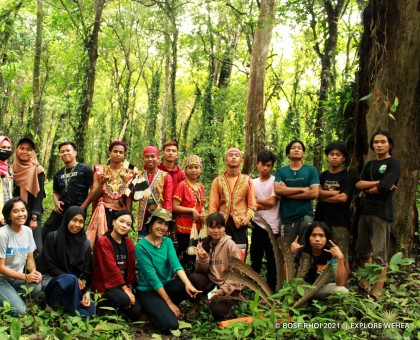
Long before modern conservation concepts were introduced, local communities had already been living in harmony with this wilderness for hundreds of years. They are the Dayak Wehea people, spread across six ekung (villages): Bea Nehas, Dea Beq, Diaq Lay, Nehas Liah Bing, Diaq Leway, and Long Wehea in Muara Wahau District, Kutai Timur Regency. These six villages form part of a single sub-ethnic group, the Dayak Bung Min Wehea.
For PT RHOI, protecting orangutan habitats and empowering the rights of local communities are inseparable. Long-term conservation success relies heavily on the extent to which indigenous communities are recognized, respected, and empowered as natural guardians of the landscape.
Why Is the Role of Local Communities Crucial in Protecting Orangutan Habitats?
A common misconception is that conservation means isolating the forest from human presence. In reality, the most effective and sustainable conservation approach actively involves local communities as key partners.
Customary communities like the Dayak Wehea hold deep historical, spiritual, and ecological ties to the forest. Their local wisdom, social structures, and customary laws are vital to preserve and recognize. Here are several fundamental reasons why the role of local communities is crucial in safeguarding orangutan habitats:
- Local Ecological Knowledge: Indigenous communities understand the intricate nuances of the forest from fruiting seasons and wildlife movement corridors to sacred areas that must remain untouched. This intuitive knowledge complements scientific data gathered by conservation organizations.
- Customary Law Systems as a Protective Barrier: Dayak Wehea tradition enforces strict customary laws and sanctions against illegal logging and wildlife poaching. When customary laws are respected, forests gain a multi-layered shield against external threats.
- Frontline Presence in the Field: Residing directly on the fringes of the Kehje Sewen Forest, local residents act as the first responders capable of detecting early threats such as illegal logging, forest fires, or land encroachment.
- Legitimacy and Social Sustainability: Efforts to protect orangutan habitats can only succeed with the backing of surrounding communities. Without local engagement and a shared sense of ownership, land-use conflicts will inevitably persist.
Navigating the Recognition Process of the Wehea Customary Law Community
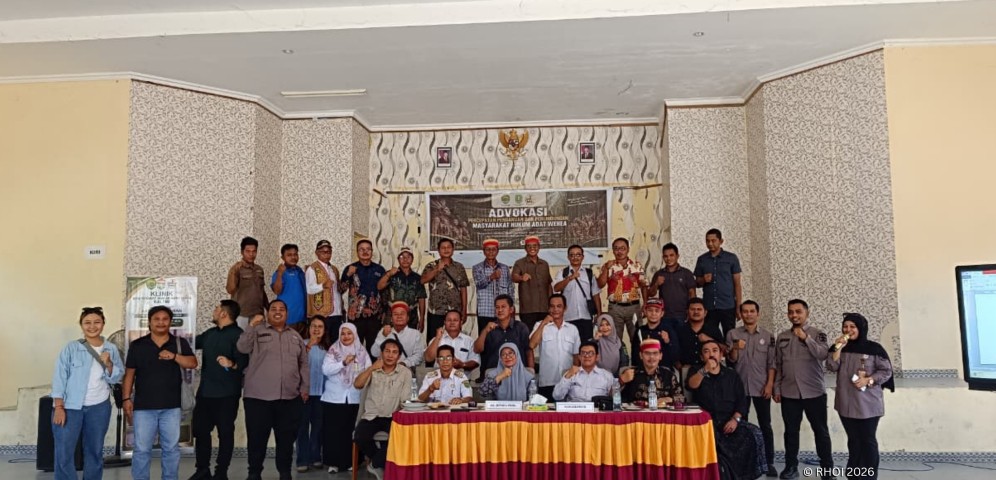
Recognizing the vital role of local communities, PT RHOI is committed to facilitating and guiding a crucial milestone: the formal proposal for the Recognition of the Dayak Wehea Customary Law Community (Masyarakat Hukum Adat or MHA). Official state recognition grants legal certainty over rights, customary institutions, traditional laws, and ancestral boundaries handed down through generations.
Achieving legal recognition requires foundational technical and historical documentation. Through its Community Development Team, PT RHOI facilitated the compilation of the Wehea Customary Law Community Profile Book. This book comprehensively outlines the MHA Wehea identity, covering their origins, village establishment history, institutional structures and authorities, as well as binding customary laws and penalties.
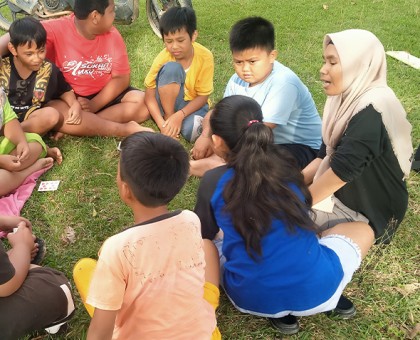
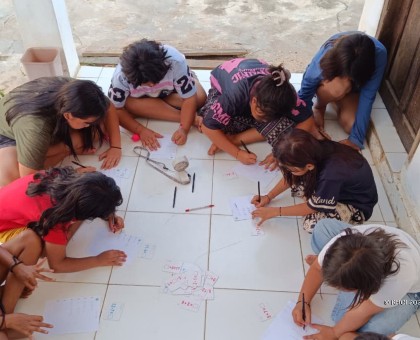
Furthermore, close collaboration between PT RHOI and the Large Customary Council of Dayak Wehea led to the publication of the Dayak Wehea History & Customary Book (Second Edition published in 2024). This written documentation carries immense strategic value. Oral traditions, folklore, legends, lifestyles, ritual protocols, and cultural arts are now preserved in print. This ensures younger generations of Wehea do not lose their cultural roots while providing concrete evidence for the legal recognition process before the state.
Also read:
- Cultivating a Love For Conservation by Getting to Known Endemic Wildlife
- Caring For Natural Heritage With Indigeneous Communities
- Hudoq Festival: A Cultural Heritage of The Dayak People Full of Meaning
Symbiosis Between Wildlife Conservation and Cultural Preservation
Strengthening identity and customary rights ultimately creates a mutually beneficial symbiosis. On one hand, the Dayak Wehea people secure legal certainty over their ancestral domain, cultural heritage preservation, and the recognized authority of their customary institutions. On the other hand, the Kehje Sewen Forest ecosystem, serving as an essential orangutan habitat, gains an added layer of protection from an empowered community.
History, institutional frameworks, and ancestral values serve as an invisible fortress keeping the forest canopy intact. When MHA Wehea rights are acknowledged and respected, conservation efforts gain dedicated allies who have coexisted with the forest for generations. They are no longer mere onlookers in environmental preservation, but primary actors walking hand in hand with conservation practitioners.
The long-term partnership between PT RHOI and the Dayak Wehea Customary Community demonstrates that biodiversity conservation does not have to pit human interests against nature. Instead, by safeguarding local culture, we are securing a sustainable future for Bornean orangutans.
Creating a safe haven for orangutans requires consistency, empathy, and cross-sector collaboration. The formal recognition of the Wehea Customary Law Community stands as a foundational pillar in ensuring the Kehje Sewen Forest remains pristine for generations to come.
- Share
-

-