10 Feb, 2025
NEPENTHES AMPULLARIA: A UNIQUE AND CHARMING PREDATOR
BIODIVERSITY

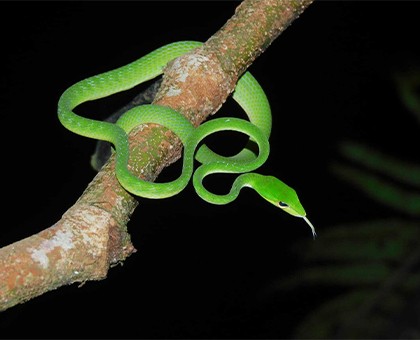
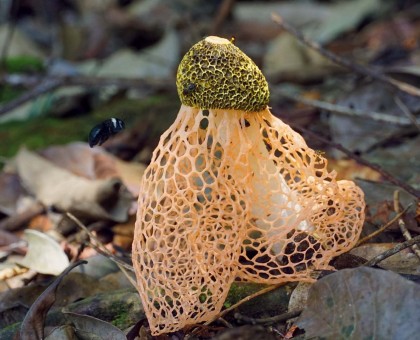
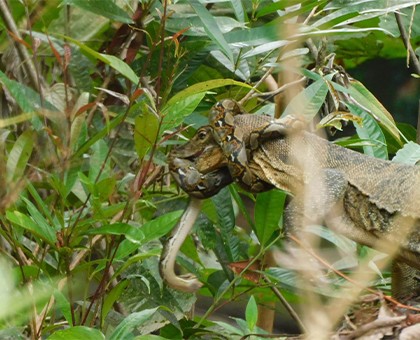
Our team routinely patrols the area to monitor reforestation efforts and safeguard the region. However, during one of these patrols, something else caught their attention. What was it?
Morphology of Nepenthes ampullaria
Nepenthes ampullaria, commonly known as the ampullaria pitcher plant, is one of the species in the Nepenthes genus with distinctive characteristics compared to other pitcher plants. The plant features small, round, pot-shaped pitchers, usually measuring about 5–10 cm in size. Their colours vary, ranging from light green with reddish speckles to solid green. Unlike most other species, the mouth of the ampullaria pitcher is wide and lacks a prominent peristome (the rim around the pitcher opening). These pitchers are often found growing directly on the forest floor in dense clusters.
The leaves of Nepenthes ampullaria are elliptical to oblong, with a smooth surface and a glossy green appearance. The plant produces short tendrils, and another unique feature is the predominance of ground pitchers over aerial pitchers. This makes it a unique species in its genus.
Origin and Habitat of Nepenthes ampullaria
This pitcher plant is native to Southeast Asia, including Indonesia, Malaysia, Singapore, Brunei, and Thailand. In Indonesia, the plant can be found in Kalimantan, Sumatra, and Papua. Its natural habitat is lowland tropical rainforests, thriving at elevations up to 1,000 meters above sea level.
This species also grows well in moist, shaded areas such as peat swamp forests, riverbanks, and muddy regions. It often thrives in nutrient-poor soils where other plants struggle to survive. The presence of this plant in a particular area can be an indicator of a healthy, low-pollution environment.
Why Is Nepenthes ampullaria Becoming Rare?
Nepenthes ampullaria is classified as a rare plant for several reasons. The primary threat to its survival is habitat loss caused by deforestation, land clearing for plantations, and forest fires. Additionally, overexploitation of this plant for collection or illegal trade poses a significant threat to its conservation in the wild. Its slow growth rate and requires specific environmental conditions to thrive are factors make it difficult for the population to recover if its habitat is disturbed.
The Role and Uses of Nepenthes ampullaria
Although it is known as a carnivorous plant, this plants has a unique habit compared to other pitcher plant species. Its pitchers primarily function as detritus traps, collecting organic debris such as fallen leaves, rather than trapping insects. The organic matter collected in the pitchers is broken down by microorganisms inside, providing the plant with additional nutrients.
In the ecosystem, Nepenthes ampullaria plays a vital role in recycling nutrients within tropical forests. Additionally, its pitchers provide a microhabitat for various microorganisms and small insects, making it an essential element in maintaining the balance of the ecosystem.
Nepenthes ampullaria also holds high educational and aesthetic value. Its unique form makes it an interesting subject for research in botany, ecology, and evolutionary biology. The plant is also often cultivated as an exotic ornamental plant, although it requires special care to thrive in cultivation.
Preserving the Future of Nepenthes ampullaria
The increasing rarity of Nepenthes ampullaria serves as an important reminder of the need for conservation and protection of natural habitats. Efforts such as forest rehabilitation, community education, and enforcement of laws against illegal trade are crucial to ensure that this plant continues to exist in the wild. Nepenthes ampullaria is not only a symbol of Southeast Asia’s unique flora but also an important part of our biodiversity heritage that must be safeguarded for future generations.
By protecting Nepenthes ampullaria, we are not just saving a single plant species, but also contributing to the preservation of the tropical rainforest ecosystem, which is home to countless invaluable plant and animal species.
Text by: Communication Team, BOS Foundation Headquarters, Bogor, West Java
- Share
-

-