21 Sep, 2026
HEALTHGUARDS AT KEHJE SEWEN ARE PROTECTING MORE THAN JUST WILDLIFE
CONSERVATION SUPPORT
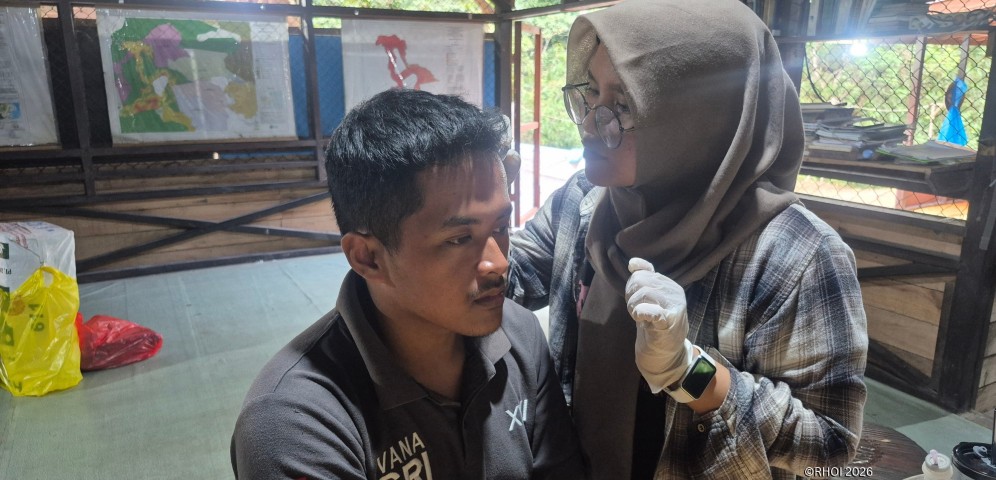
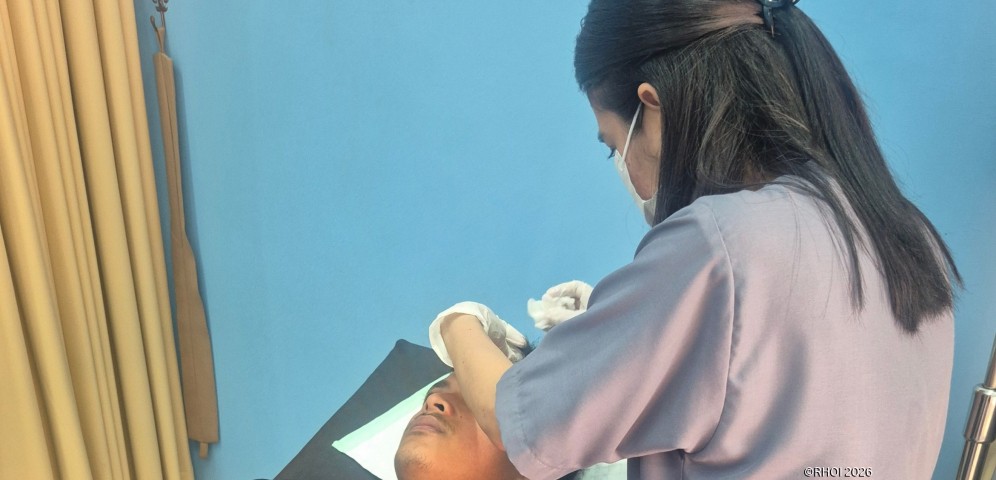
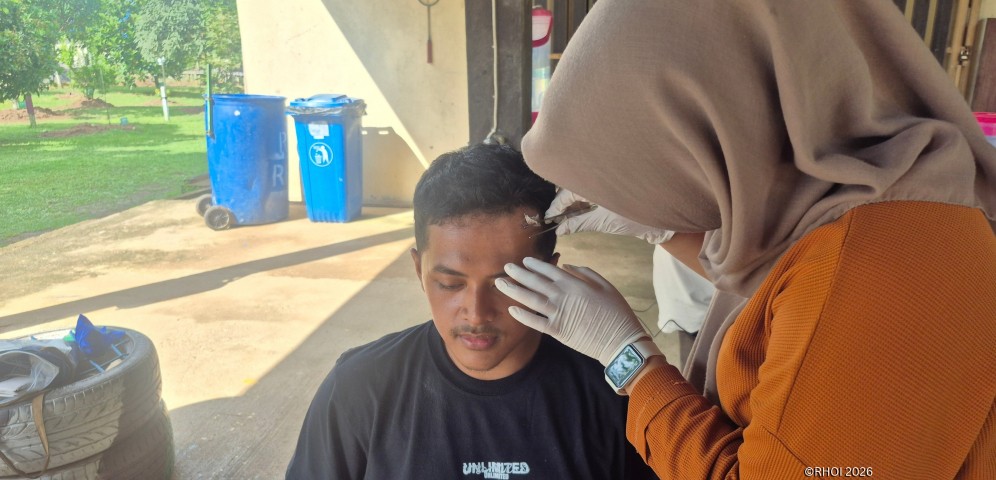
At Camp Nles Mamse in the Kehje Sewen Forest, the medical team's role extends beyond caring for orangutans to ensuring the safety of field team members.
A clear example occurred while accompanying a team member who needed an examination by a general practitioner. Suddenly, an emergency call came from a staff assistant reporting that a technician had suffered an occupational accident resulting in an open wound.
Due to the remote location, the medical team could not immediately provide direct treatment. Instead, over a phone call, they guided the first aid steps—from stopping the bleeding and cleaning the wound to dressing it with the camp's first aid kit. Thanks to good coordination, the injured field team member's condition was successfully stabilized.
The following day, after re-evaluating the wound, the medical team decided to evacuate the personnel to a clinic. The clinic doctor later confirmed that the wound required stitches for optimal recovery.
This experience highlights the gap between theory and field reality. Being a medical team member in a conservation area demands swift responses and decisive decision-making during emergencies—not only for wildlife, but also for human life.
For the conservation medical team, orangutan health and field team safety are inseparable. Orangutan conservation work relies on a healthy field team to protect them, while the field team requires assurance that their safety is always safeguarded.
Text by: PT RHOI Medical Team, East Kalimantan
- Share
-

-