27 Jul, 2026
BEHIND CONSERVATION EPISODE 3: MANAGING INVENTORY FOR LONG-TERM OPERATIONS
CONSERVATION SUPPORT
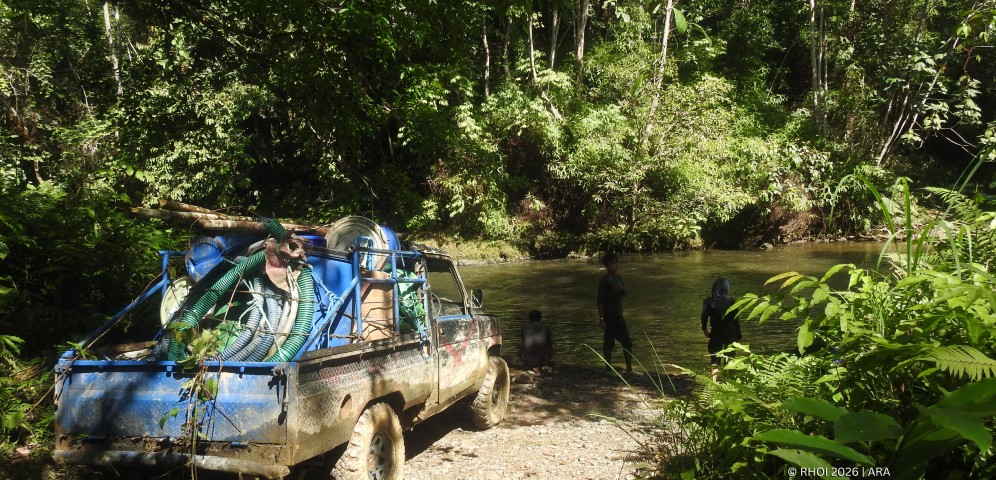
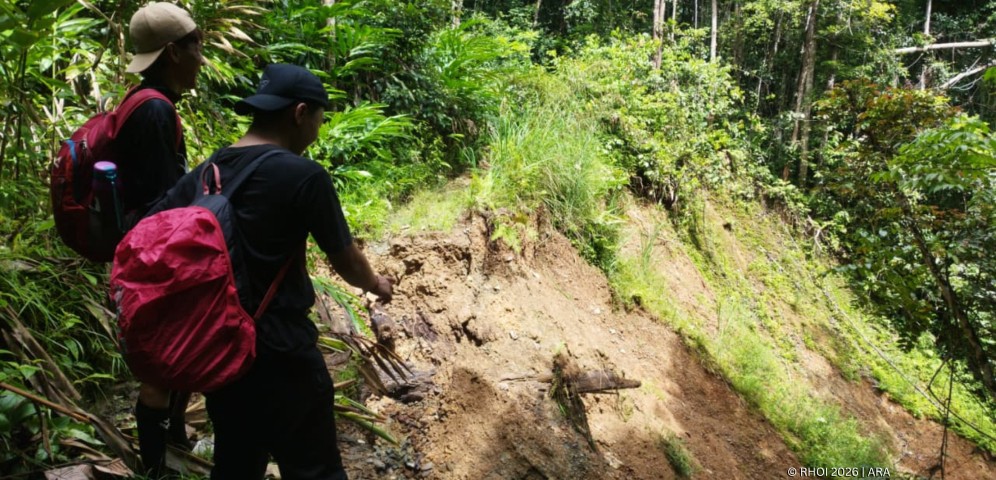
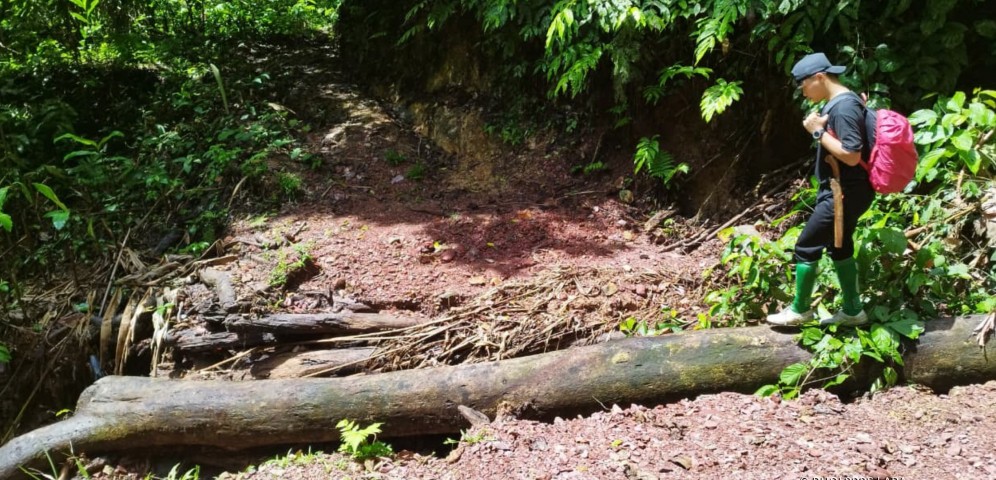
Delivering logistics to the Kehje Sewen Forest area is only one part of the conservation support system. After all operational supplies arrive at the camp, the next challenge is ensuring every inventory item is managed efficiently until the next delivery schedule.
Because access to the camp depends on weather and terrain conditions, logistics distribution cannot always run on schedule. Therefore, inventory management becomes a vital part of supporting the continuity of field conservation activities.
Planning Monthly Needs
Every logistics shipment is planned based on the operational needs of each camp. Various supplies, ranging from food ingredients, fuel, and work equipment to the daily necessities of personnel, are calculated based on the number of camp residents, the types of activities to be conducted, and the estimated time until the next shipment.
This planning helps ensure all essential needs are available without carrying excess inventory, considering that the carrying capacity of vehicles and boats is also limited.
Managing Inventory Efficiently
Once the logistics arrive, all items are inspected, arranged, and stored according to their category. Perishable food items are prioritized for earlier use, while dry foodstuffs and other operational supplies are stored to keep them protected from humidity and the forest environment.
Fuel supplies are also managed carefully as they are among the main necessities supporting team mobility, boat operations, and the use of field equipment. All logistics usage is recorded periodically so that inventory levels can be monitored at all times.
This approach helps the team know when a supply is running low, allowing the next shipment to be planned more accurately.
Preparing for Unpredictable Conditions
Working in a forest area means always being prepared for unpredictable conditions. Heavy rainfall, damaged roads, and transportation obstacles can cause logistics distribution to experience delays.
For this reason, every camp strives to manage inventory wisely and prioritize the most essential needs. Logistics usage is adjusted to field conditions so that all conservation activities can continue to run safely and effectively until the next supply arrives.
Also read:
- Behind Conservation 2: Keeping Orangutan Habitat Monitoring Camp Operations Running Amidst Logistics Delays
- Behind Conservation 1: The Logistics Journey Through Kehje Sewen Forest
- The Importance of HR Regeneration for the Sustainability of Orangutan Habitat Restoration
Supporting Conservation Through Planning
Conservation success is determined not only by activities conducted in the field, but also by the ability to plan and manage resources responsibly. Good inventory management helps ensure that monitoring teams, forest patrols, biodiversity research, and various other conservation activities can continue without disrupting daily operational needs.
Behind every conservation activity, there are many decisions that may not be visible to the public. From calculating needs and managing inventory to planning the next distribution, everything is part of the system that allows orangutan and habitat protection efforts to continue sustainably.
Continue the Behind Conservation Journey
In Episode 4, we will get to know the people who work behind camp operations. From Persons in Charge (PICs), technicians, and boat operators to field teams, every individual plays an important role in ensuring conservation efforts can continue to run in the Kehje Sewen Forest.
Did You Know?
Every conservation camp must plan its operational needs for several weeks ahead. This planning helps ensure food, fuel, work equipment, and other essential supplies remain available until the next distribution schedule.
- Share
-

-