07 Sep, 2026
PROTECTING THE FOREST, PROTECTING A HOME FOR LIFE
CONSERVATION SUPPORT
The forest is not merely a stretch of trees that needs to be safeguarded from damage. Within it lies a diverse array of flora and fauna that rely on a safe and preserved environment.
Because of this, conservation efforts are not limited to animal rehabilitation or restoring forest cover. Preserving the integrity of the area and ensuring its boundaries remain protected are also crucial aspects of conservation work.
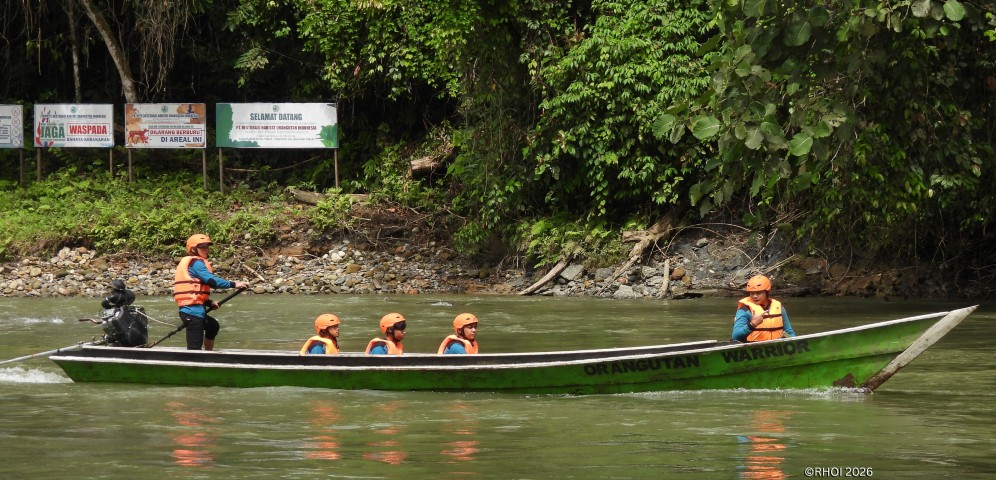
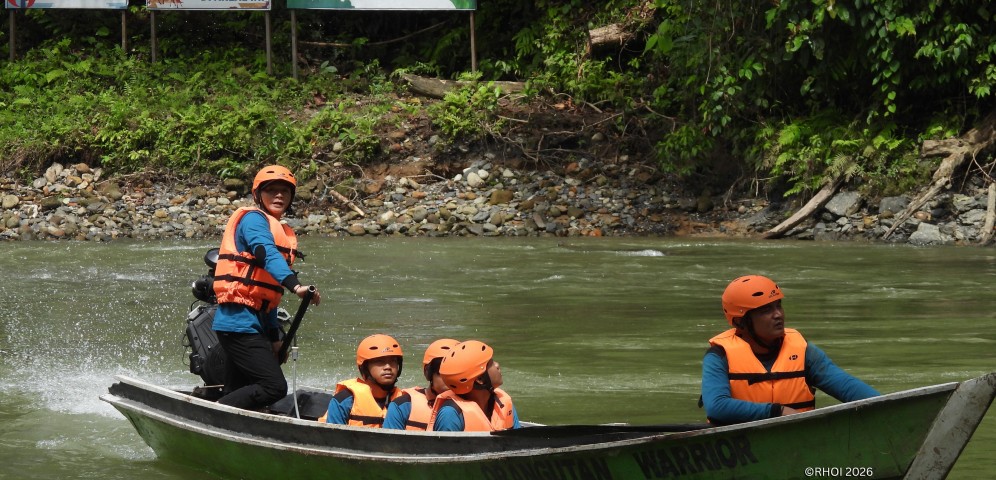
For PT Restorasi Habitat Orangutan Indonesia (RHOI), one way to fulfill this responsibility is through routine patrols across the forest areas under its management.
Identifying Potential Disruptions in the Field
Protecting forest areas means understanding various activities that could potentially disrupt their condition and function. Threats do not always come in the form of large-scale land clearing. Activities such as illegal mining, encroachment, building huts within the area, wildlife poaching, and uncontrolled access creation also require serious attention.
If left unmonitored, these activities can escalate and cause broader impacts on the environment. Mining along riverbanks, for instance, has the potential to affect water quality and the condition of riparian zones. Meanwhile, the loss of forest cover can degrade habitat quality and alter the environment that serves as a home for various wildlife species.
Therefore, having a team on the ground is essential. Patrols allow the team to observe conditions firsthand, document findings, and take appropriate action whenever potential disruptions are discovered.
Patrol at the Upper SKA River
In mid-July 2026, the RHOI patrol team conducted an inspection in the upper reaches of the SKA River. Beyond monitoring the area's conditions, the team provided education to community members they encountered regarding the environmental impacts of illegal gold mining, particularly on river health.
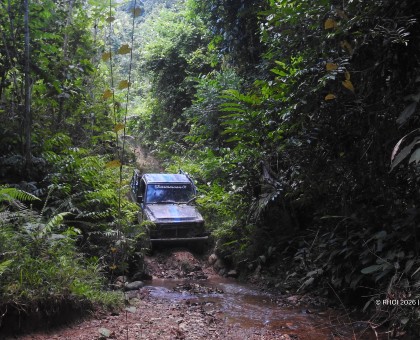
The journey to the location required significant time and physical effort. The team traveled by motorcycle to reach sections of the area accessible by land. Steep terrain forced them to move vehicles one by one along certain stretches of the route.
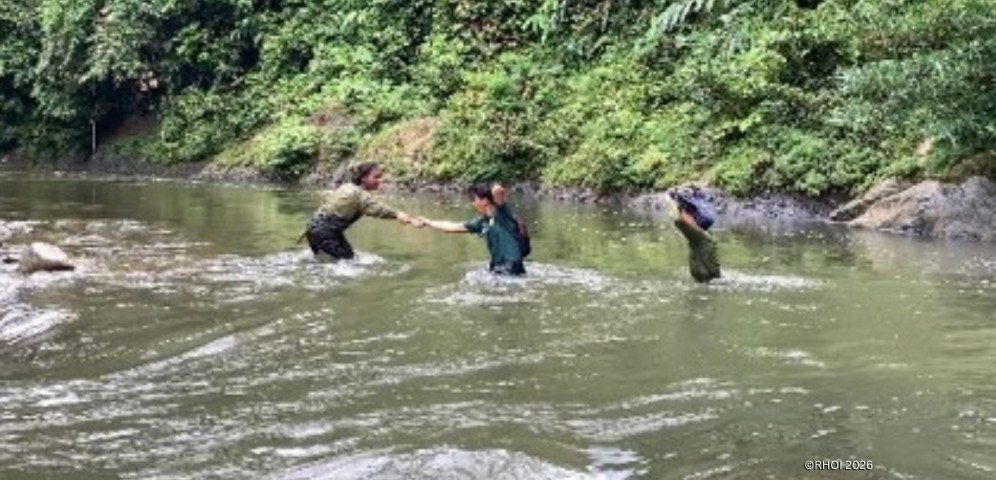
The situation became more challenging when parts of the path were blocked by landslides. With no crossing point available at the location, the team had to proceed on foot by wading across the SKA River. Slippery rocks and strong currents demanded extreme caution during the crossing. At one point, a team member slipped and was nearly carried away by the current. Fortunately, other members quickly rendered assistance, pulling him back to safety.
This incident served as a reminder that forest patrols require not only a deep understanding of the area's conditions, but also readiness to face unpredictable field situations.
Patrols are not solely about uncovering violations. The team's presence in the field acts as a preventive measure. When encountering activities that could potentially disturb the area, the team engages in communication and education with local communities, records field conditions, and coordinates with relevant authorities in accordance with applicable mandates and procedures.
This approach is vital because managing conservation areas requires more than just oversight. Building relationships and maintaining communication with surrounding communities are equally key to protecting the forest in the long run.
Protecting the Forest, Protecting the Future
An intact forest area provides wildlife with the space to live, forage, roam, and reproduce. Protecting the area, therefore, means more than just safeguarding trees or boundary lines on a map; it means preserving the living space relied upon by countless creatures.
For the RHOI team, every patrol is part of an ongoing, long-term commitment. Tough terrain, changing weather, and unpredictable field conditions are simply part of the challenges to be met.
Behind every patrol lies an effort to ensure the area remains monitored, potential threats are identified early, and communication with communities is maintained. Because ultimately, protecting the forest means protecting a home for all the life within it.
Text by: REPPHK Team, PT RHOI, East Kalimantan
- Share
-

-